If you are a freelancer, a remote worker, or someone receiving payments from abroad in Nigeria, Wise (formerly TransferWise) is likely a name you know well. It has become a global standard for moving money across borders. However, for the Nigerian user, the experience comes with significant “fine print” that can impact your financial freedom.
What is Wise, really?
To understand its limitations, we must first define what Wise is. Wise is not a bank. It is an Electronic Money Institution (EMI) regulated primarily in the UK.
Because it is not a bank, there are critical legal and operational differences:
- Safeguarding Accounts: Your funds are not in a bank account in your name; Wise uses “omnibus” or safeguarding accounts. Wise simply keeps an internal record of how much belongs to you.
- No Standard Deposit Insurance: Unlike US banks, which have FDIC insurance (protecting up to $250,000 USD against bank failure), Wise accounts do not offer this direct protection.
- Payment Data vs. Real Account: Wise provides “balance details” (Routing and Account numbers) to receive transfers. However, some payment platforms or brokers view this as a transfer to a digital wallet rather than a proper bank account, which can lead to rejected payments.
So, why do so many Nigerians still use it? Despite these technicalities, Wise offers some undeniable benefits that have made it a go-to tool for thousands of local professionals.
Key Advantages of Wise in Nigeria
While Wise has certain limitations for residents, it remains a popular choice due to several high-value features that simplify international money movement.
- Real Mid-Market Exchange Rates: Wise is widely recognized for providing the real exchange rate without hidden markups, ensuring you get the most value when converting foreign currency into Naira.
- Speedy Local Payouts: Transfers to Nigerian bank accounts (such as GTBank or Zenith) are remarkably efficient, with funds often arriving on the same day the transfer is initiated.
- Full Cost Transparency: One of the platform’s biggest strengths is showing all fees and the exact amount the recipient will receive upfront, so there are no surprises or hidden bank charges.
- Convenience for International Clients: Because Wise is a trusted global standard, it is very easy for employers or clients in the US, UK, and Europe to send money directly to your local Nigerian account using your bank details.
- Regulated Global Security: Wise is a highly regulated institution, offering a professional and secure environment for moving money across borders compared to many informal or less-regulated alternatives.
- Automatic Currency Conversion: If you manage to use a Wise card issued from abroad, the platform automatically converts your balance to Naira at the mid-market rate with low conversion fees when spending locally.
It sounds amazing, right? Unfortunately, once you start using it daily as a Nigerian resident, you hit some “walls” that can be incredibly frustrating.

Wise’s Challenges in Nigeria
1. No Physical Card for Residents
Perhaps the biggest hurdle for Nigerians is that you cannot order a physical Wise debit card if your primary address is in Nigeria. While you might see Wise cards mentioned in global ads, they are currently unavailable for residents. This leaves you without a direct way to spend your earnings at local POS terminals or withdraw cash from ATMs.
2. Limitations on Holding Naira (NGN)
As a Nigerian resident, you cannot hold a Nigerian Naira (NGN) balance directly in your Wise account. You can receive money into a local Nigerian bank account via Wise, but you cannot keep the Naira within the platform to manage or exchange at a later date.
3. The “Zero Tolerance” Crypto Policy
Nigeria has one of the highest cryptocurrency adoption rates in the world. For local freelancers, using USDT or USDC is often an operational necessity to receive payments or hedge against inflation.
- Strict Prohibitions: Wise's Terms and Conditions strictly prohibit transactions related to crypto assets.
- Risk of Deplatforming: If Wise detects a transfer to or from an exchange (like Binance) or a P2P (Peer-to-Peer) operation, they often mark and close the account permanently.
- Opaque Support: Many users have reported losing access to their funds for weeks after a sudden account closure, with no physical branch to visit for a resolution.
So, what is the solution? If you need the security of a real bank and the freedom to spend your money without restrictions, you might need to look beyond traditional e-wallets.
The Best Alternative for Nigerians: GrabrFi
If you need a more robust solution that avoids the risks of account closures and provides a real banking experience, GrabrFi is the most effective alternative in the current market.
1. A Real US Bank Account
While Wise offers "electronic money," GrabrFi allows you to open a real checking account in the United States through its banking partners.
- Fewer Rejections: Because it is a real checking account, it drastically reduces payment rejections from platforms like Deel, Payoneer, or Upwork.
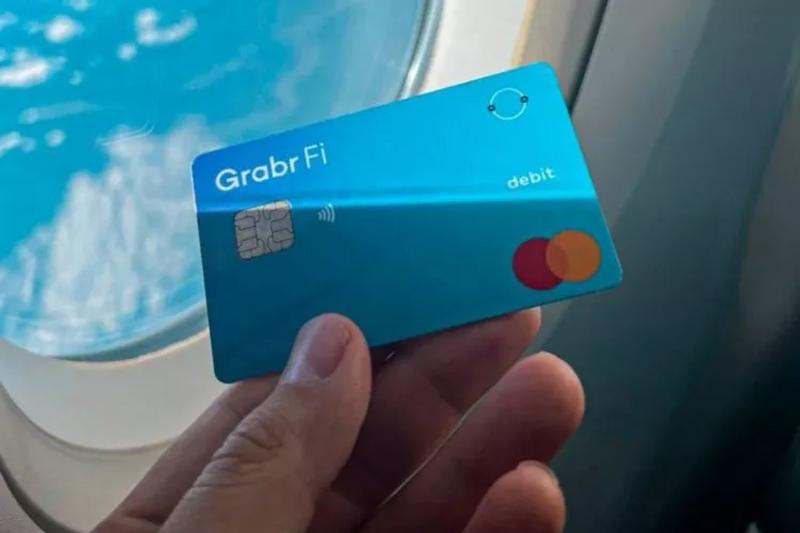
2. US Dollar Mastercard
This is the ultimate operational advantage. GrabrFi provides a debit card that operates directly in US Dollars (USD).
- Direct Spending: You can spend your dollars directly on international websites or when traveling, avoiding unnecessary conversions and local taxes on foreign currency.
3. Digital Flexibility (Crypto-Friendly)
GrabrFi understands that stablecoins are a necessary bridge for many users in emerging markets.
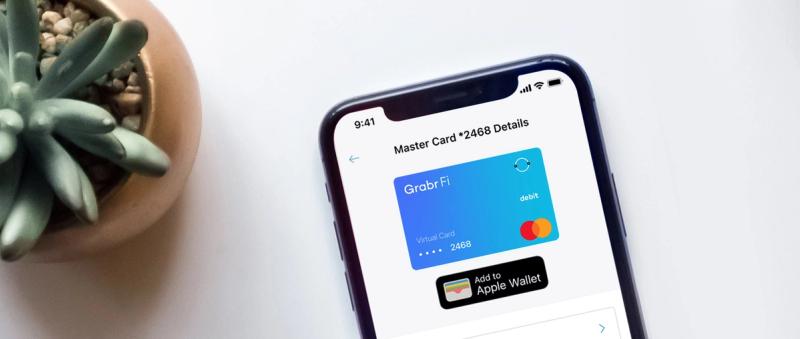
- Regulated Integration: Instead of blocking you, GrabrFi integrates services to operate with stablecoins in a regulated manner. You can move money between the traditional banking world and the digital economy without the constant fear of an algorithm closing your account.
Comparison: When to Use Each Platform?
- Wise is ideal for: Casual use or sending one-off remittances to family members. It is a good "pass-through" wallet for quick transfers, but it is not recommended as a primary savings account due to the risk of sudden closures.
- GrabrFi is ideal for: Freelancers, contractors, and professional remote workers. It provides the institutional safety of a real US bank combined with the flexibility of a USD debit card and stablecoin bridges.
Frequently Asked Questions
Why did Wise stop sending money to Nigeria in the past?
Wise has previously suspended transfers to Nigeria due to a combination of local regulatory changes and partner issues that made the route too expensive to maintain at the time.
Will Wise refund me if I get scammed?
Wise cannot guarantee a refund once a transfer has been made. It is the user's responsibility to ensure the recipient is legitimate before sending funds.
How do I receive money in Nigeria using Wise?
You simply need to provide the sender with your Nigerian bank account number and sort code; Wise will then deliver the funds directly to your local bank account.
Can I get a virtual dollar card from Wise?
While Wise offers virtual cards in some regions, they are generally not available for residents with a Nigerian address. Alternatives like GrabrFi or other local fintechs are often required for USD spending.
In conclusion, while Wise remains a powerful tool for quick international transfers and transparent exchange rates in Nigeria, its current limitations—such as the lack of a physical card and the inability to hold NGN balances—present a significant barrier for those seeking full financial autonomy.
For the professional freelancer or remote worker, having a real US bank account and a functional USD card is no longer a luxury, but a necessity to protect earnings and ensure global spending power. By choosing a solution like GrabrFi, you can bridge the gap between traditional banking security and the modern digital economy, enjoying the freedom to spend and save without the constant risk of account freezes or restricted access.