
Living as a digital nomad means navigating a complex financial landscape. You're earning in one currency, spending in another, and constantly moving between countries. Traditional banks weren't designed for this lifestyle—they charge high foreign transaction fees, require physical branches for basic services, and often lock you out if you don't maintain a permanent address in their country.
The good news? A new generation of banking solutions has emerged specifically for remote workers, freelancers, and travelers who need flexible, borderless financial services. This guide breaks down the best bank accounts for digital nomads in 2026, comparing features, fees, and real-world usability so you can manage your money seamlessly while working from anywhere.
Why Digital Nomads Need Specialized Banking Solutions
Traditional banks create friction for location-independent professionals. Here's why:
Currency conversion costs add up quickly
Converting your earnings from USD to local currency through conventional banks can cost 3-5% per transaction. When you're doing this monthly (or weekly), those fees eat into your income significantly.
Foreign transaction fees are punishing
Many banks charge 2-3% every time you use your card abroad, plus ATM withdrawal fees that can reach $5-10 per transaction.
Account maintenance becomes complicated
Traditional banks often require a local address, regular deposits from that country, or in-person verification—none of which work when you're constantly on the move.
Limited multi-currency support
If you're a freelancer billing clients in USD but spending in Thai baht, euros, or Argentine pesos, you need a bank that can hold multiple currencies without forcing conversions at unfavorable rates.
The right banking solution for digital nomads eliminates these pain points, letting you focus on your work and travels rather than financial logistics.
What to Look for in a Bank as a Digital Nomad
Not all “digital-friendly” banks are created equal. Here are the essential features that matter most:
Multi-currency support
The ability to hold, receive, and spend in multiple currencies is crucial. Look for accounts that let you maintain USD, EUR, GBP, and other major currencies in separate balances, so you can convert funds strategically when exchange rates are favorable rather than being forced into conversions at every transaction.
Low international transaction fees
Zero or minimal foreign transaction fees are non-negotiable. Some banks waive these entirely, while others charge a small percentage. The difference compounds significantly over time, especially if you're spending in different countries every month.
No residency requirements
Many digital nomads don't have a permanent address or tax residency in one country. The best solutions allow you to open and maintain accounts without needing to be a resident of a specific nation, though you'll still need to verify your identity and provide some documentation.
Global ATM access
Access to fee-free ATM withdrawals worldwide (or at least ATM fee reimbursements) means you can get local cash without paying $3-7 per withdrawal. This is especially important in countries where card acceptance isn't universal.
Digital-first experience
When you're traveling, you can't visit a branch. Everything needs to work through a mobile app: opening accounts, depositing checks (if needed), transferring money, freezing cards, updating information, and getting customer support.
Top 5 Banks for Digital Nomads in 2026
After comparing dozens of options, these five stand out for remote workers and location-independent professionals:
1. GrabrFi
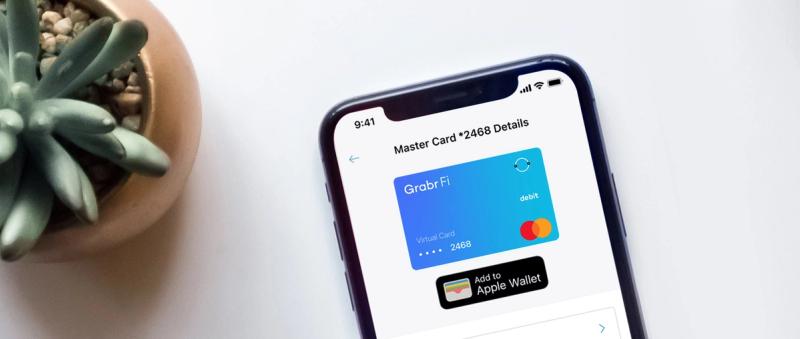
GrabrFi is a fintech platform that enables people living outside the United States to open a USD bank account in the US, even without US residency. Banking services are provided by a partner bank in the US, while GrabrFi handles the technology and user experience.
Pros:
- US dollar account without US residency: Perfect for freelancers and remote workers in countries with currency instability (Argentina, Nigeria, Colombia, etc.) who want to hold earnings in USD and withdraw to local currency when needed
- Competitive exchange rates: Better rates than traditional banks when converting USD to local currencies like ARS, NGN, or COP
- Stablecoin integration: Allows receiving and sending payments using USDC, USDT, and PYUSD, bridging traditional banking with crypto in a regulated way
- Built for international earners: Designed specifically for people receiving payments from platforms like Deel, Payoneer, or global clients, then needing to access those funds locally
- Clear fee structure: Transparent pricing without hidden charges or surprise fees
Cons:
- Primarily focused on specific markets (Argentina, Nigeria, Colombia), so may have limitations for users in other regions
- Depends on partner banking infrastructure, which can mean some limits on transaction amounts or processing times
- Requires identity verification and compliance questionnaires, especially for stablecoin features
- Not ideal if you don't regularly receive USD income or don't need to withdraw to local currencies in supported countries
Best for: Freelancers, remote workers, and entrepreneurs in Latin America and Africa who earn in USD and need efficient ways to convert and withdraw to local currency, or who want to incorporate stablecoins into their financial workflow.
2. Revolut
Revolut is a digital banking app offering multi-currency accounts, fee-free spending abroad (up to certain limits), and cryptocurrency features. It operates in Europe, the UK, the US, and select other markets.
Pros:
- Excellent exchange rates with no markup on weekdays (small fee on weekends)
- Multi-currency accounts supporting 28+ currencies
- Free ATM withdrawals up to a monthly limit (varies by plan)
- Built-in budgeting tools and expense categorization
- Cryptocurrency trading within the app
Cons:
- Customer service can be slow and primarily app-based
- Account freezes and verification issues reported by some users
- Premium tiers required for higher ATM withdrawal limits
- Not available in all countries, and regulations vary by region
Best for: European-based nomads or those spending significant time in Europe, who want comprehensive currency management and don't mind tiered subscription plans.
3. N26
N26 is a German neobank offering straightforward mobile banking with no monthly fees for the basic account. It's particularly popular among European digital nomads.
Pros:
- Clean, intuitive app interface
- No minimum balance requirements
- Free ATM withdrawals in euros (limits apply for other currencies)
- Available in multiple European countries plus the US
- Fast account opening process
Cons:
- Limited to European residents (for EU accounts) or US residents (for US accounts)
- Foreign currency withdrawals include a conversion fee
- Customer support primarily through app chat
- Fewer features compared to Revolut or more robust platforms
Best for: Digital nomads with European or US residency who want a simple, no-frills account for euro-based transactions.
4. Charles Schwab
Charles Schwab is a US-based investment and banking company offering a checking account specifically popular with travelers: the Schwab Bank High Yield Investor Checking Account.
Pros:
- Unlimited ATM fee rebates worldwide: One of the best features for nomads—Schwab reimburses all ATM fees, anywhere in the world
- No foreign transaction fees
- No monthly maintenance fees or minimum balance requirements
- Linked to a Schwab brokerage account (required but easy to open)
- Strong customer service
Cons:
- Requires US residency and Social Security number
- Account opening can take 1-2 weeks
- You must open a brokerage account (though you don't need to fund or use it)
- Not ideal for multi-currency management—primarily USD-focused
Best for: US citizens and residents who travel extensively and want unlimited, fee-free ATM access globally, but who maintain US tax residency.
5. Wise
Wise (formerly TransferWise) is a money transfer service that also offers a multi-currency account and debit card. It's designed for people who regularly transact in multiple currencies.
Pros:
- True mid-market exchange rates with transparent, low fees
- Multi-currency account supporting 50+ currencies
- Can receive payments with local bank details in USD, EUR, GBP, and more
- Widely available in many countries
- Debit card accepted globally
Cons:
- Not technically a bank—funds are held in partner banks, which may limit protections
- ATM withdrawal fees after monthly limits
- Some advanced banking features (like direct deposit setup) may be limited
- Customer service can be inconsistent
- Currency conversion fees, while competitive, still apply to every transaction
Best for: Freelancers and contractors who bill clients in multiple currencies and want the best exchange rates for conversions, and who don't mind managing a multi-currency wallet rather than traditional bank accounts.
How to Choose the Right Bank for Your Nomadic Lifestyle
The "best" bank depends entirely on your specific situation. Here's how to decide:
If you earn in USD but live in a country with currency instability (Argentina, Nigeria, Colombia, Turkey, etc.), prioritize solutions like GrabrFi that let you hold USD and convert strategically to local currency at competitive rates. Protecting your earnings from devaluation is more valuable than marginal differences in ATM fees.
If you're a European resident or spend most of your time in Europe, Revolut or N26 make sense. They're optimized for euro-based transactions and European banking regulations.
If you're a US citizen who travels extensively but maintains US tax residency, Charles Schwab's unlimited ATM rebates are unbeatable for cash access worldwide.
If you invoice clients in multiple currencies and want the best exchange rates, Wise offers true mid-market rates that save significant money on conversions, though it's not technically a full-service bank.
If you want to integrate stablecoins into your financial strategy, GrabrFi is currently the only solution on this list offering regulated stablecoin transactions connected to a USD bank account, which is valuable for freelancers paid in crypto or those hedging against local currency volatility.
Consider your tax situation, primary earning currency, countries you spend time in, and whether you need traditional banking features (like receiving direct deposits or wire transfers) versus just payment flexibility.
Frequently Asked Questions
Can I open a US bank account without living in the US?
Yes, through platforms like GrabrFi that partner with US banks to offer accounts to non-residents. Traditional US banks typically require US residency and a Social Security number, but fintech solutions have created pathways for international users to access USD accounts legally.
What's the difference between a neobank and a traditional bank?
Neobanks (like Revolut, N26, or GrabrFi) are digital-first financial services that operate without physical branches, usually offering lower fees and better mobile experiences. Traditional banks have physical locations and are directly chartered banking institutions. Many neobanks partner with licensed banks to hold deposits.
Do I need to pay taxes in the country where my bank account is located?
No—your tax obligations are based on your tax residency and citizenship, not where your bank account is located. However, you must report all foreign accounts to your tax authority if required (like FBAR for US citizens). Having a USD account through GrabrFi doesn't make you a US taxpayer; you're taxed based on where you live and work.
Can I receive payments from Payoneer, Deel, or other platforms into these accounts?
Yes. GrabrFi is specifically designed to receive international payments from platforms like Payoneer, Deel, Wise, and direct from clients. Wise can also receive payments via local bank details. Revolut and N26 can receive international transfers but may have more limitations depending on the source and currency.
What happens if I move countries frequently?
Digital banking solutions like GrabrFi, Revolut, and Wise are built for exactly this scenario. You won't lose access to your account when you change locations, unlike traditional banks that may freeze accounts if they detect activity from "unauthorized" countries. However, you should keep your registered address updated and ensure you comply with any verification requirements.
What is the best bank for receiving USD from Deel or Payoneer?
For freelancers and remote workers using platforms like Deel, Payoneer, or Stripe, the best banking solutions are GrabrFi and Wise, as they provide native US bank details (Account and Routing numbers) that treat platform withdrawals as local transfers.
- GrabrFi: Ideal for non-US residents who want to hold "hard" USD. It offers $0 fees for incoming ACH transfers, meaning you can move your balance from Deel or Payoneer to your GrabrFi account without losing a percentage to the platform or the bank. This is particularly valuable for nomads in Latin America or Africa who need to avoid local currency conversion at the point of receipt.
- Wise: Best for those who need immediate multi-currency flexibility. Wise integrates directly with Deel's dashboard, allowing for nearly instant withdrawals. While Wise is excellent for mid-market exchange rates, GrabrFi is often preferred by those who want to maintain a long-term USD balance in a US-based account.
Pro Tip: To minimize costs, always withdraw from Payoneer to your nomad bank via ACH transfer rather than a wire transfer, as ACH is typically free or carries a very low flat fee (around $1.50).
Can I open a bank account while traveling on a tourist visa?
Yes, but you must choose digital-first fintechs over traditional high-street banks. While traditional banks like Chase or Bank of America typically require a Social Security Number (SSN) or physical proof of local residency, fintech solutions have adapted their KYC (Know Your Customer) processes for the nomadic lifestyle.
- How it works: Platforms like GrabrFi and Wise allow you to open an account using your international passport and proof of address from your home country, not the one you are currently visiting.
- The Fintech Advantage: Since these platforms operate digitally, they don't require you to have a local utility bill or a long-term lease in the country where you are traveling. As long as you can verify your identity via a mobile app and provide a valid tax ID from your home country, you can secure a USD or multi-currency account from anywhere in the world.
- Limitations: Be aware that "resident-only" neobanks (like the European version of Revolut or N26) may still require a European ID or residency permit. If you are a global nomad with no fixed tax home, GrabrFi is often the most accessible option for obtaining a US-based account without residency.