Nigeria (Africa's most populous nation and largest economy) is a destination that rewards curious, prepared travelers. From the pulsating energy of Lagos to the ancient history of Benin City, Nigeria offers something unique for diaspora members reconnecting with roots, business travelers, and adventure seekers.
However, visiting Nigeria requires more planning than your average vacation. Navigating currency volatility, safety logistics, and local customs can be daunting. This guide provides actionable travel tips for Nigeria, covering the famous Detty December season, cultural festivals, safety, and smart money strategies to save you stress and value during your trip.
Why should Nigeria be on your travel radar?
Nigeria is not a country you visit by accident. With over 200 million people and 500+ languages, it is a cultural powerhouse. Beyond the bustle of Lagos, you have natural wonders like the Yankari National Park, the Osun-Osogbo Sacred Grove (a UNESCO World Heritage Site), and the historic Olumo Rock.
But the real draw for many is the culture. The music scene, led by Afrobeats giants, is global. The fashion industry is booming, and the entrepreneurial spirit is infectious. Whether you are coming for business or leisure, the energy of the country is undeniable.
Detty December: The Ultimate Party Season
If you are planning a trip towards the end of the year, you are likely coming for Detty December. This is not just a holiday month; it is a cultural phenomenon. The term "Detty" is a playful slang for “getting dirty” with enjoyment—staying out all night, attending back-to-back events, and living life to the fullest.
During this period, Lagos transforms into the entertainment capital of Africa. The diaspora returns home in waves (often jokingly called the "IJGBs" or "I Just Got Back"), bringing an influx of energy and spending power. Major concert venues like Eko Hotel and Landmark Beach host frequent shows featuring global superstars like Burna Boy, Wizkid, and Davido. The beach clubs in Lekki and Ilashe are packed from noon until dawn, and fashion shows and art exhibitions fill the calendar.
However, surviving Detty December requires strategy. First, expect inflation. Prices for accommodation, Uber rides, beauty services and event tickets can double or triple during these weeks. Traffic in Lagos, already notorious, becomes gridlocked as everyone moves between events on the Island.
Security is generally tighter due to the crowds, but you must remain vigilant at crowded concert venues. If you want to experience the peak of Nigerian pop culture, there is no better time to visit, but budget accordingly and book your logistics months in advance.

Beyond December: Seasonal Events and What to Do
While December gets the spotlight, Nigeria offers incredible experiences year-round. Understanding the seasons will help you plan a trip that matches your interests, whether you are looking for ancient tradition, nature, or alternative celebrations.
The Dry Season (November to March)
This period is ideal for exploring the North and attending outdoor cultural festivals without the interruption of heavy rains. If you are interested in royal pageantry, the Durbar Festival in Kano and Katsina is a must-see. Usually held to mark the end of Ramadan, this festival features thousands of horsemen in colorful, embroidered regalia parading through the city—a tradition dating back hundreds of years.
This season is also perfect for visiting Yankari National Park in Bauchi. Because the vegetation is thinner during these months, it is much easier to spot elephants, lions, and baboons on safari compared to the wet season.
The Rainy Season (April to October)
The rains bring lush greenery to the south, though travel logistics can be slightly trickier due to road conditions. However, this is the prime time for the Osun-Osogbo Festival in August. Taking place in the sacred grove in Osun State, this UNESCO-recognized festival celebrates the river goddess Osun. It attracts thousands of devotees and tourists for a week of drumming, dancing, and spiritual cleansing. It is a profound, spiritual contrast to the commercial party vibe of Lagos.
The Calabar Carnival (December)
While technically in the dry season, this event deserves its own mention as a major alternative to Lagos' Detty December. Held in Cross River State, the Calabar Carnival is often dubbed "Africa's Biggest Street Party." It features a structured, parade-style carnival similar to Rio de Janeiro, with massive bands, costumed dancers, and cultural displays. It is generally more family-friendly, organized, and daytime-focused than the intense nightlife scene in Lagos.
Lagos Art, Fashion and Design Month (October - November)
Essential Pre-Trip: Visas and Health
Before you even book your flight, you need to sort out your paperwork. Nigeria’s entry requirements are strict, and missing a document can result in being denied boarding.
Do you need a visa for Nigeria?
Most international visitors need a visa. While citizens of ECOWAS countries can enter visa-free, Western travelers typically require a standard visitor or business visa.
You have two main options. The first is the standard application through a Nigerian Consulate in your home country, which should be done 4-6 weeks in advance. The second, and increasingly popular option, is the Visa on Arrival program. Originally designed for business travelers, it is now widely used by tourists who have an “Approval Letter” processed beforehand.
Crucial tip: Do not fly without the physical copy of your Visa Approval Letter; the airline will not let you board.
Health Requirements: The Yellow Card
There is one health document you absolutely cannot forget: the Yellow Fever Vaccination Card. Unlike many countries where it is just a recommendation, in Nigeria, it is mandatory. You will likely be asked to present this card at the "Port of Health" desk immediately upon landing in Lagos or Abuja.
Malaria is also a reality in Nigeria. It is highly recommended to visit a travel clinic before your trip to get a prescription for antimalarial medication (such as Malarone or Doxycycline) and to ensure your routine vaccines are up-to-date.
Money Matters: Handling Currency and Payments
Managing money is arguably the most complex part of visiting Nigeria due to the unique behavior of the local currency, the Naira (NGN). Getting this wrong can cost you 20-30% of your budget, especially during expensive periods like Detty December.
Understanding the Exchange Rates
Nigeria operates with a fluctuating exchange rate system that often results in a gap between the official bank rate and the parallel market rate (often called the black market).
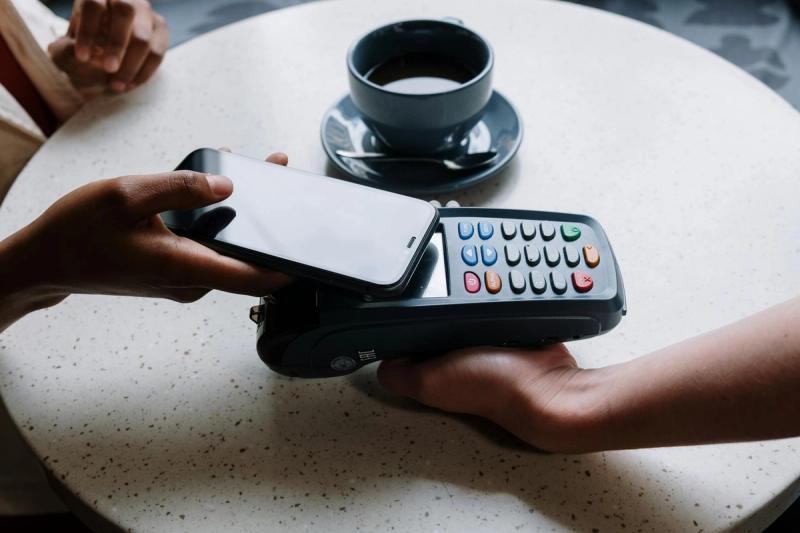
Most international credit cards will use the official bank rate, which is historically lower than what you can get on the open market. Furthermore, many Point of Sale (POS) terminals in Nigeria struggle to process international cards due to network issues or bank restrictions. This leaves many travelers in a difficult position: relying on cash or facing poor exchange rates.
The Smart Strategy: Using US Dollars
The most experienced travelers bring cash in US Dollars. Specifically, you should bring $100 bills that are dated 2013 or later. Bills that are crisp, unwrinkled, and free of marks fetch a better exchange rate at Bureau de Change (BDC) operators than smaller or damaged notes.
However, carrying thousands of dollars in cash through Lagos is a safety risk. This is where modern fintech solutions have changed the game.
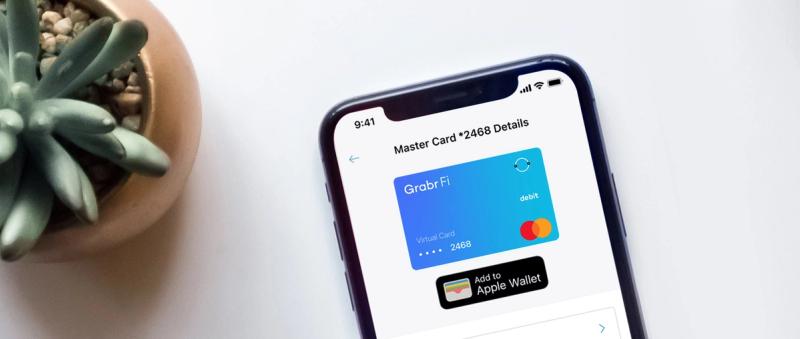
Instead of carrying your entire budget in physical cash, consider using a digital US dollar account like GrabrFi. This allows you to keep your travel budget in a stable currency (USD) and only spend what you need. Since GrabrFi provides a US-based debit card, you can use it for online bookings or at major international hotels in Nigeria that accept foreign cards. More importantly, it gives you a safe hub to hold your funds, reducing the need to walk around with thick wads of cash.
Is Nigeria Safe for Tourists?
Safety is the most common question for potential visitors. The honest answer is that while Nigeria has security challenges, millions of people visit safely every year by following strict protocols.
Navigating Lagos and Abuja Safely
In major cities like Lagos and Abuja, the risk profile is different from the conflict zones in the far North. In Lagos, the primary concerns are petty crime and traffic-related issues. You should focus your stay on the “Island” areas—Victoria Island, Ikoyi, and Lekki. These neighborhoods are the commercial and residential hubs for expats and wealthy locals, offering better security and infrastructure.
The “Mainland” (specifically Ikeja) is the other major hub, housing the airport and the state government. While generally safe during the day, movement between the Mainland and the Island can take hours due to traffic, so pick a side and stick to it for your daily activities.
Transportation Safety Tips
Do not use public buses (known as Danfo) or motorcycle taxis (Okada) if you are a tourist. They are often erratic and can be targets for pickpockets.
The gold standard for getting around is using ride-hailing apps like Uber or Bolt. They provide tracking and driver accountability. When your ride arrives, always verify the license plate and the driver's face before unlocking the car door. For inter-city travel, such as going from Lagos to Abuja, always fly. Do not travel by road between states, as highway security can be unpredictable. Reliable domestic airlines include Air Peace, Ibom Air, and Green Africa.
Connectivity: Internet and Mobile Data
Staying connected is vital for safety and navigation. Do not rely on public Wi-Fi, as it is often slow or insecure.
Your best option is to buy a local SIM card upon arrival. MTN and Airtel are the two networks with the most reliable coverage in urban areas. You can purchase these at the arrival hall in the airport.
Be aware of the registration process. Nigeria requires strict biometric registration for all SIM cards. As a foreigner, you will need your passport and visa. Sometimes, the system requires a National Identity Number (NIN), which tourists don't have. Ensure the agent registers you specifically as a "Foreign National" to bypass the NIN requirement temporarily.

Accommodation Options: Where to Stay
Choosing the right accommodation is about more than just a comfortable bed; it is about power and security. In a country where infrastructure can be variable, where you sleep dictates the quality of your trip.
Luxury and Full Service
If budget permits, staying at major international hotels is the safest bet. These establishments operate their own independent power plants and security details. In Lagos, the Eko Hotel & Suites or the Nordic Hotel offer reliable security, 24/7 electricity, and stable internet. In Abuja, the Transcorp Hilton is the standard for diplomats and business travelers.
Boutique and Mid-Range
For a more culturally immersive experience, consider staying at a boutique hotel. Places like Bogobiri House in Ikoyi offer incredible art, live music, and atmosphere that you won't find in a standard chain hotel. These places are professionally run and usually have good security protocols, offering a balance between comfort and local character.
Short-Let Apartments (Airbnb)
Renting an apartment is increasingly popular, especially for long stays in residential areas like Lekki. However, you must verify the power situation before booking. Ensure the listing explicitly guarantees "24/7 Power" via an inverter or backup generator. In Nigeria, the public power grid is unstable, and without a guaranteed backup system, you could be left in the dark and heat for hours.
Food and Dining: What to Eat (and Drink)
Nigerian cuisine is bold, spicy, and deeply satisfying. You cannot leave without trying Jollof Rice, the country's most famous dish. It is a one-pot rice dish cooked in a rich tomato and pepper sauce.
For a true local experience, try Suya. This is spicy, grilled skewered meat, traditionally prepared by Hausa chefs. It is street food, so safety is key: only buy from popular, busy spots where you can see the meat being grilled fresh over an open flame.
A note on water: Never drink tap water, not even for brushing your teeth. Always use bottled water, which is cheap and readily available everywhere.
Cultural Etiquette
Nigerians are generally warm, expressive, and hospitable people. Greetings are extremely important in Nigerian culture. Walking into a room and ignoring people is considered rude. A simple "Good morning" or "Good afternoon" to hotel staff, drivers, and police officers goes a long way in smoothing your path.
You will also notice a high level of respect for age and status. It is common to address people older than you as "Sir" or "Ma." Embracing these small cultural norms will help you connect with locals and navigate the country with greater ease.
With your visa sorted, your health card ready, and a smart financial strategy using US dollars and tools like GrabrFi, you are ready to experience the vibrancy of Nigeria. Welcome to Naija!