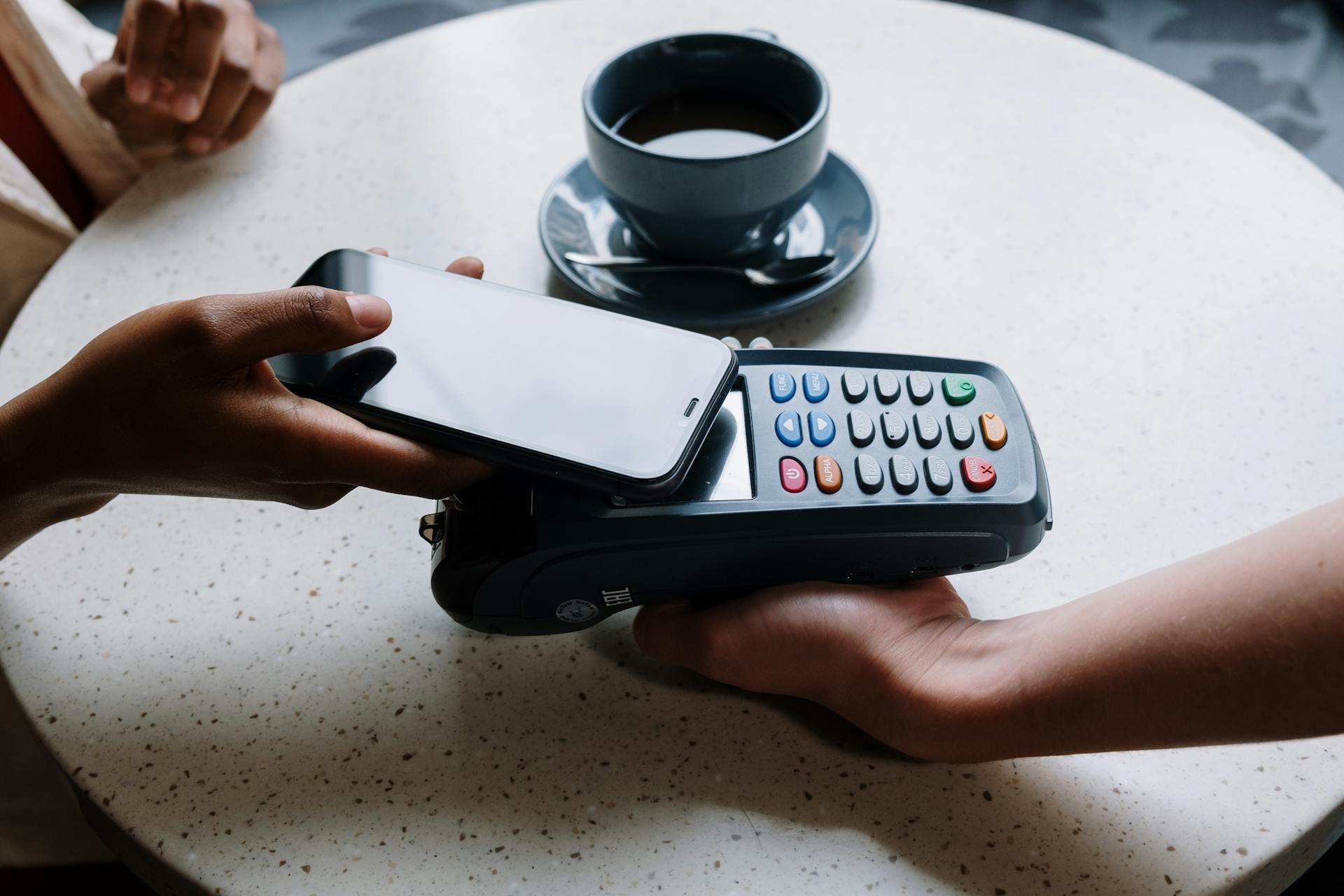
Planning a trip to Nigeria or heading home for the holidays? Understanding how to pay in Nigeria is the difference between a legendary "Detty December" and a frustrating trip spent arguing with bank customer support.
Nigeria’s payment ecosystem is fast, innovative, but tricky for outsiders. While Lagos is a fintech hub, the reality on the ground often involves network failures, cash scarcity, and a confusing exchange rate system.
If you are a tourist or a diaspora member returning home, standard advice from big banks doesn't work here. This guide covers the real payment landscape, from the “two rates” dilemma to the best strategies for managing dollars and naira.
The Reality of Paying in Nigeria: Cash vs. Digital
Nigeria is a paradox: you can pay for a premium dinner with a QR code, but you might need crisp cash to buy data or pay a street vendor five minutes later.
Can you use your US/UK Bank Card in Nigeria?
Technically, yes. Visa and Mastercard are widely accepted in major cities like Lagos, Abuja, and Port Harcourt at malls, hotels, and upscale restaurants. However, relying solely on your foreign card is a rookie mistake.
- The Risk: Your bank back home might flag the transaction as fraud and block your card instantly.
- The Cost: You will likely be charged a Foreign Transaction Fee (1–3%) plus a "dynamic currency conversion" fee if you aren't careful.
- The Rate: Most importantly, foreign cards usually settle at the Official Exchange Rate, which can be significantly lower than the street value of your currency.
The “Two Rates” Problem: Official vs. Parallel Market
Before you spend a single dollar, you must understand that Nigeria operates on a multi-tiered exchange rate system.
- The Official Rate: This is the rate banks and international cards use. It is generally lower.
- The Parallel (Open) Market Rate: This is the supply-and-demand rate used by exchange bureaus, local fintechs, and informal vendors. It is often higher than the official rate.
Pro Tip: If you swipe your Wells Fargo or Lloyds card directly at a POS in Lagos, you are effectively “buying” Naira at the most expensive price. To maximize your spending power, you need a method that offers competitive rates or allows you to manage the conversion yourself.
Top 4 Payment Methods in Nigeria: Ranked for Travelers
If you want the best combination of safety, convenience, and value, don't stick to just one method. Here is how they stack up, from essential to backup options:
1. Cash (Naira) - The Absolute Essential
Despite the push for a cashless policy, cash is still King for daily survival on the streets.
- Best Used For: Street food, local markets (like Balogun), Danfo buses, tipping, and emergencies when POS networks fail.
- Exchange Rate Quality: Excellent (if exchanged at a reputable Bureau de Change).
- Risk Level: High (Theft or loss risk).
- Advice: Never exchange money at the airport arrivals hall (rates are 10-20% worse). Change just enough to get to the city.
2. Local Digital Wallets & Transfers - The Local Favorite
Nigerians love bank transfers. "I will do a transfer" is the most common phrase at checkout counters.
- Best Used For: Everything—restaurants, shops, vendors.
- Exchange Rate Quality: Best (Market rates).
- Risk Level: Low.
- The Catch: To open a local Tier-1 bank account or use apps like OPay/PalmPay, you typically need a BVN (Bank Verification Number) and a Nigerian phone number, which is hard for short-term tourists to get.
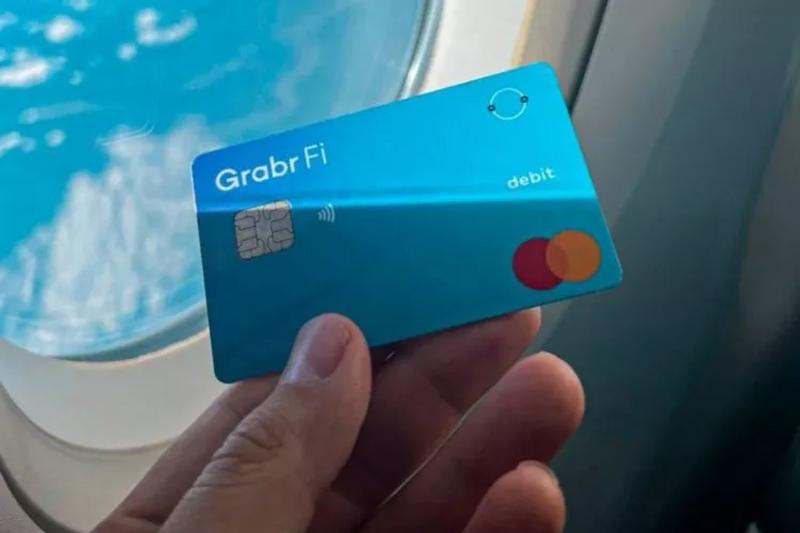
3. GrabrFi / USD Tech Accounts - The Smart Bridge
For travelers who want to hold Dollars but spend like a local.
- Best Used For: Everything—hotels, Airbnbs, concert tickets, online payments, ride-hailing apps, shops, and vendors. Ideal for daily travel expenses and protecting your budget from devaluation.
- Exchange Rate Quality: Competitive (Better than foreign bank cards).
- Risk Level: Low.
- Why it wins: It allows you to keep funds in USD and convert only what you need, avoiding the risk of holding large amounts of volatile Naira.
4. Foreign Bank Cards (Visa/Mastercard) - The "Plan B"
- Best Used For: 5-star hotels, Shoprite malls, upscale dining, and emergency ATM withdrawals.
- Exchange Rate Quality: Poor (Official Rate + Foreign Transaction Fees).
- Risk Level: Low.
- Warning: Many smaller merchants do not accept international cards due to processing issues. Always ask, "Do you take international cards?" before ordering.
The Diaspora Hack: Maintaining a USD Balance
Here is a common dilemma for the diaspora: You have dollars in your US account, pounds in your British account, but you need Naira in Nigeria. The traditional approach—wiring money to a Nigerian bank and letting them convert it—is slow and expensive. Plus, if you convert all your spending money on Day 1, and the Naira devalues on Day 3, you lose money.
Why converting all your money at once is a mistake
Volatility is real. The exchange rate can fluctuate significantly in a single week. The smartest travelers keep their funds in USD and convert to Naira only when they need it.
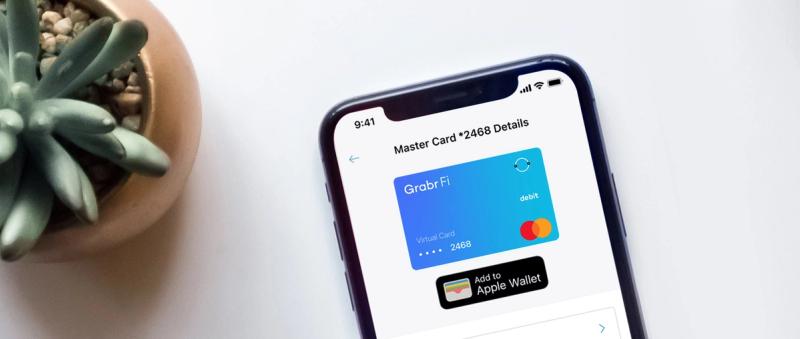
The GrabrFi Solution: A USD Bridge
GrabrFi solves the specific pain points of the diaspora and frequent travelers. It offers a US-based account that lets you hold dollars safely and interact with the Nigerian ecosystem.
- Hold in USD: Keep your travel budget in stable currency.
- Spend in Local Currency: You can transfer funds directly to local bank accounts for easy payments or withdraw as needed, often securing better value than direct bank card swipes.
- Receive Payments: If you are a digital nomad or freelancer (Upwork, Deel), you can receive your USD payments directly into GrabrFi while you are in Lagos, without needing a VPN or complex workarounds.
It acts as a bridge: You get the security of a US banking infrastructure with the flexibility needed for the Nigerian market.
How to Handle Money During "Detty December"
"Detty December" is the peak holiday season when the diaspora returns to party. It is loud, fun, and expensive. It also breaks the payment infrastructure.
Surviving the Cash Crunch
During December, the sheer volume of transactions often overwhelms the banking network.
- ATM Dry-ups: ATMs in party hubs like Victoria Island and Lekki frequently run out of cash by 6 PM on weekends.
- The "Network Problem": You will often hear "Network is bad" from cashiers. This means their POS terminal cannot connect to the bank.
- The Strategy: Always carry at least ₦20,000–₦50,000 in cash as a backup. Do your withdrawals in the morning on weekdays, not Friday nights.
Smart Payment Strategies for Events
- Uber/Bolt: Link a card to your ride-hailing app, but always carry cash. Drivers prefer cash or direct transfers because app payments can be delayed.
- Club Tables & Concerts: Organizers often demand upfront payment via transfer. Ensure you have a reliable way to move money instantly, as international wires take days.

Enjoying Nigeria Without the Payment Stress
Navigating payments in Nigeria doesn’t have to be a headache. The secret to a stress-free trip lies in flexibility: keep enough cash for the streets, have a backup card for emergencies, and protect your main travel funds in USD with a smart tool like GrabrFi. By diversifying how you pay, you avoid getting stranded by network failures or losing value to bad exchange rates. Now that your finances are sorted, you can focus on what really matters—enjoying the energy, the food, and the vibes of Detty December.