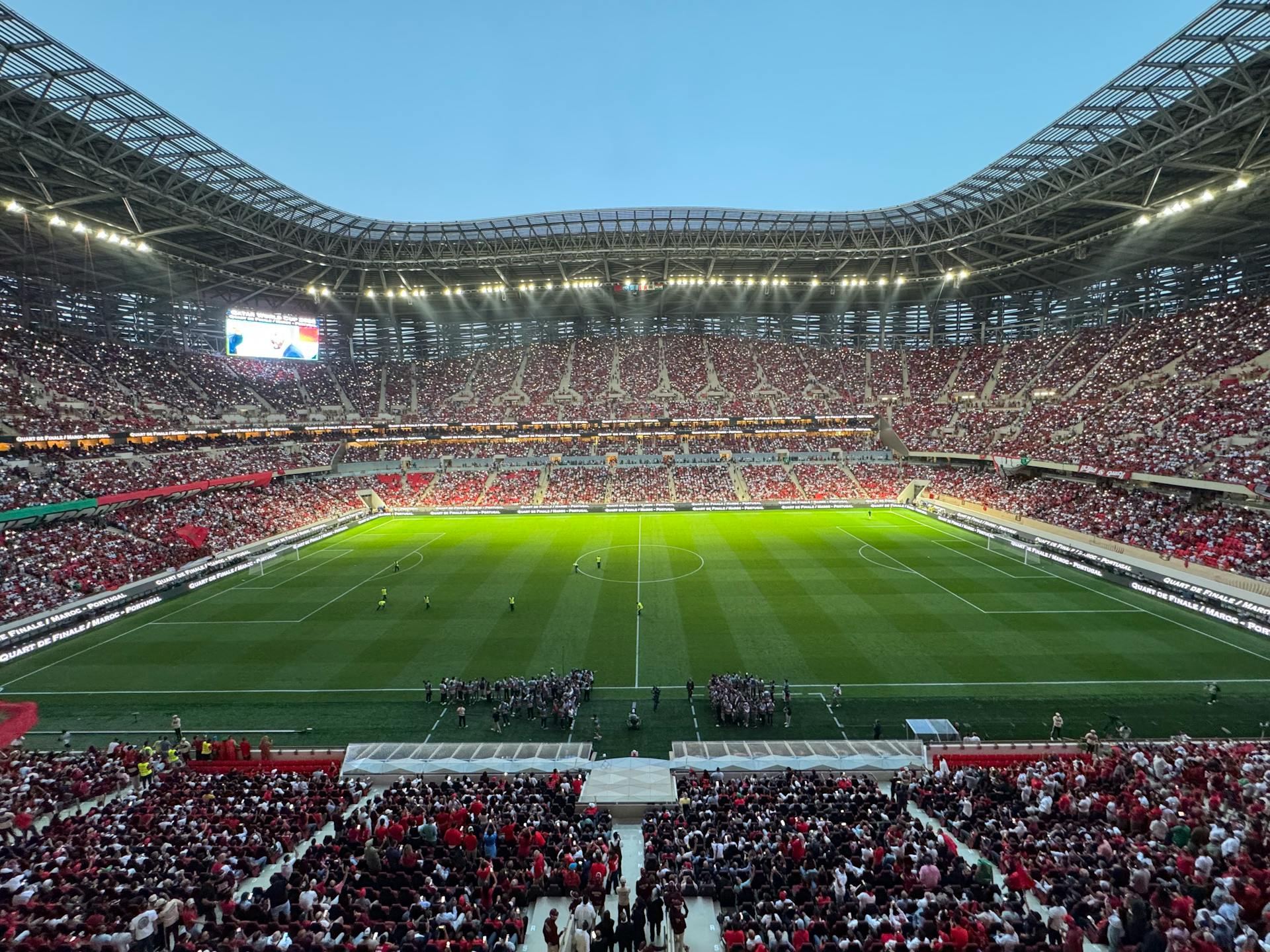
Heading to Morocco requires more than just booking a flight and packing a jersey; it requires a financial strategy. While Morocco offers a robust tourism infrastructure, the payment landscape presents specific challenges for international travelers, particularly those arriving from Nigeria for the Africa Cup of Nations (AFCON).
Understanding how to navigate the Moroccan Dirham (MAD), bypassing banking restrictions, and managing foreign exchange fees is the difference between a smooth trip and getting stranded without access to funds. This guide provides a comprehensive breakdown of the payment ecosystem in Morocco, covering the limitations of Nigerian bank cards and why holding a US-based digital account is the most effective tool for preserving travel budgets.
The Reality of Paying in Morocco: Cash vs. Digital
Morocco operates as a hybrid economy. Travelers can pay for a premium dinner with a Visa card but will require cash minutes later for essential services. Understanding where to use which method is the first step to financial survival.
The “Closed Currency” System
Unlike the US Dollar or Euro, the Moroccan Dirham (MAD) is a closed currency. It is heavily regulated, meaning it is difficult to obtain outside of Morocco and cannot be legally exported in large amounts. Travelers cannot exchange Naira for Dirhams in Lagos or Abuja before departure. All currency exchange must happen upon arrival, making the choice of payment method critical from the moment the plane lands.
Where You Need Cash vs. Cards
- Cash (Dirham): Essential for daily survival. It is the only accepted payment method for “Petits Taxis” (local cabs), street food vendors, small souvenir shops in the Medina (souks), and tipping.
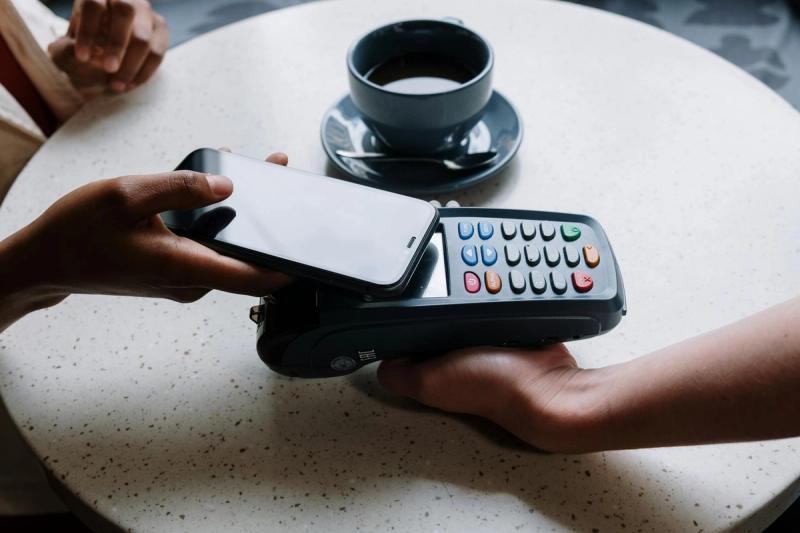
- Cards (Visa/Mastercard): Widely accepted in major cities like Casablanca, Marrakech, Rabat, and Tangier. They are standard for 5-star hotels, large shopping malls (like Morocco Mall), upscale restaurants, and supermarkets (Carrefour, Marjane).
The “Nigerian Traveler” Problem: Bank Card Restrictions
For travelers originating from Nigeria, standard international travel advice is insufficient. The current financial landscape in Nigeria imposes severe restrictions on international spending that can cripple a travel budget if not anticipated.
The $500 Monthly Limit
Most Nigerian Naira debit cards are subject to strict international spending limits imposed by the Central Bank of Nigeria (CBN). Often capped at approximately $500 per month, this limit is quickly exhausted by accommodation costs alone, leaving travelers stranded without funds for the rest of their trip. Relying solely on a local Naira card is a critical error that can result in declined transactions at hotels or ATMs.
The Volatility Risk
Converting an entire travel budget into cash or loading a prepaid card before travel exposes the traveler to currency volatility. If the Naira devalues significantly during the trip, the purchasing power of the remaining funds decreases. The smartest strategy is to keep funds in a stable currency (USD) and convert only what is necessary for immediate spending.
The Strategic Solution: GrabrFi (USD Accounts)
To bypass the limitations of local banking restrictions and protect against currency fluctuation, smart travelers are turning to US-based digital accounts. GrabrFi acts as a bridge, solving specific pain points for the diaspora and frequent travelers.
Why GrabrFi is the MVP for AFCON
GrabrFi offers a US-based account that allows travelers to hold dollars safely and interact with the global ecosystem without the friction of traditional banking.
- Bypassing Limits: As a US-based account, GrabrFi is not subject to the international spending limits placed on Naira cards. Travelers can access their full budget for hotels, tickets, and dining.
- Holding in USD: Funds remain in US Dollars until the moment of purchase. This protects the travel budget from sudden drops in the value of the home currency.
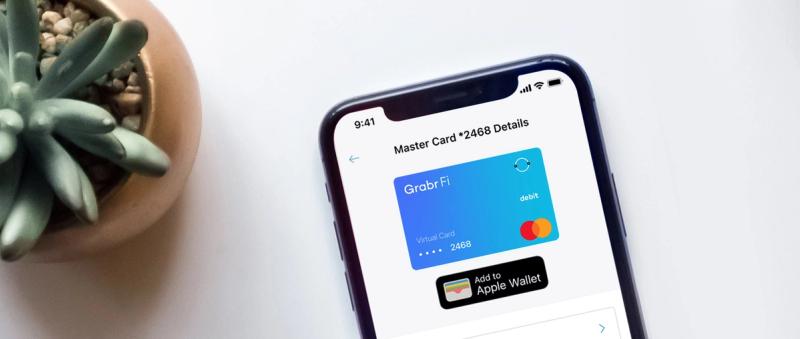
- Global Acceptance: The physical and instant virtual cards issued by GrabrFi operate on the Visa network, ensuring acceptance at millions of locations in Morocco and globally.
How It Works as a “Bridge”
The platform functions as a financial bridge: it provides the security of US banking infrastructure with the flexibility needed for international travel. Travelers can move funds to local payment options or withdraw cash as needed, often securing better value than direct bank card swipes.
AFCON 2025 Survival Guide
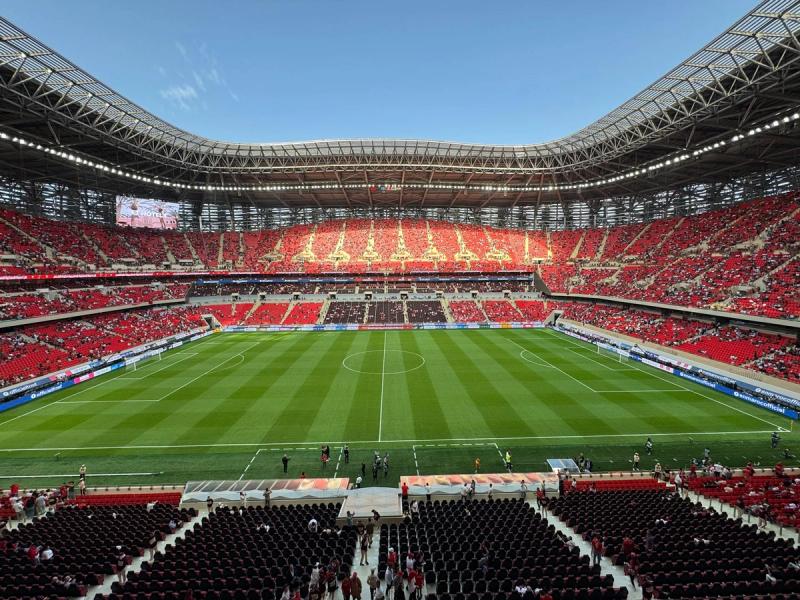
The 2025 Africa Cup of Nations will take place from December 21, 2025, to January 18, 2026, coinciding with the holiday season. This double-peak period means infrastructure will be tested to its limits.
The “Stadium Zone” Strategy
Host cities like Casablanca, Rabat, Marrakech, Tangier, Agadir, and Fez will see massive influxes of fans.
- Pre-Trip Strategy (Flights & Hotels): Don’t wait until you land to sort out logistics. Use your GrabrFi virtual card to book accommodations and flights while still in Nigeria. Since most Nigerian cards will decline these high-value international transactions, using the virtual USD card ensures your reservations are locked in immediately, without needing a physical card in hand.
- The “Network Problem”: Just like in Nigeria, large crowds can crash Point of Sale (POS) networks. Travelers will often hear "Network is bad" from cashiers near stadiums. Always carry a cash buffer of 500-1000 MAD for emergencies when POS terminals fail.
Managing Transport Payments
While ride-hailing apps like Uber and Careem operate in major Moroccan cities, drivers often prefer cash during high-demand periods to avoid app commission fees or payment delays. Having cash ensures priority service, especially when trying to leave a crowded stadium zone like the Mohammed V Stadium or Prince Moulay Abdellah Stadium.
Strategic Guide to Cash Withdrawals and Exchange
Since obtaining Dirhams before travel is impossible, the strategy for acquiring cash upon arrival is crucial. Poor exchange habits can cost travelers 10-20% of their budget in fees and bad rates.
Avoid Airport Exchange Bureaus
Travelers should avoid exchanging large amounts of money at airport arrivals halls. These kiosks offer the worst exchange rates, capitalizing on the immediate need for cash. The recommended strategy is to change just enough to cover transport to the city center.
The ATM Strategy
The most cost-effective way to obtain cash is by using a card with low foreign transaction fees at a local ATM.
- Target Banks: Look for ATMs from major Moroccan banks such as Attijariwafa Bank, Banque Populaire, or BMCE.
- Decline Conversion: If an ATM asks to charge the card in USD or GBP (Dynamic Currency Conversion), decline this option. Always choose to be charged in the local currency (MAD). This forces the card issuer to handle the conversion at a competitive market rate, rather than the ATM's inflated rate.
Receiving Payments Abroad
For digital nomads, freelancers, and content creators traveling to Morocco for AFCON, managing income is just as important as managing expenses. Traditional methods of receiving payments—wiring money to a local bank and letting them convert it—are slow and expensive.
Direct USD Collection
Using a US-based account allows professionals to receive USD payments from platforms like Upwork, Deel, or direct clients while traveling.
- No VPN Needed: These accounts can be accessed directly from Morocco without complex workarounds.
- Value Retention: By receiving funds in USD, the traveler avoids the “double conversion” loss (USD to Home Currency to Dirham) and maintains purchasing power.
Navigating payments in Morocco during a major tournament does not have to be a headache. The secret to a stress-free trip lies in flexibility and preparation. By establishing a US-based financial bridge like GrabrFi, travelers can bypass restrictive banking limits, protect their funds from volatility, and ensure global acceptance.
Combined with a smart cash strategy—withdrawing from ATMs rather than exchanging at airports—and a buffer for network failures, fans can focus on what really matters: the energy, the matches, and the vibrant culture of Morocco.